 Natalia
Please request our permission before redistributing these files.
Premium Feature: Transcript Downloads
With a Premium Subscription, you can also download PDF transcriptions, with or without English translations for printing or offline use.
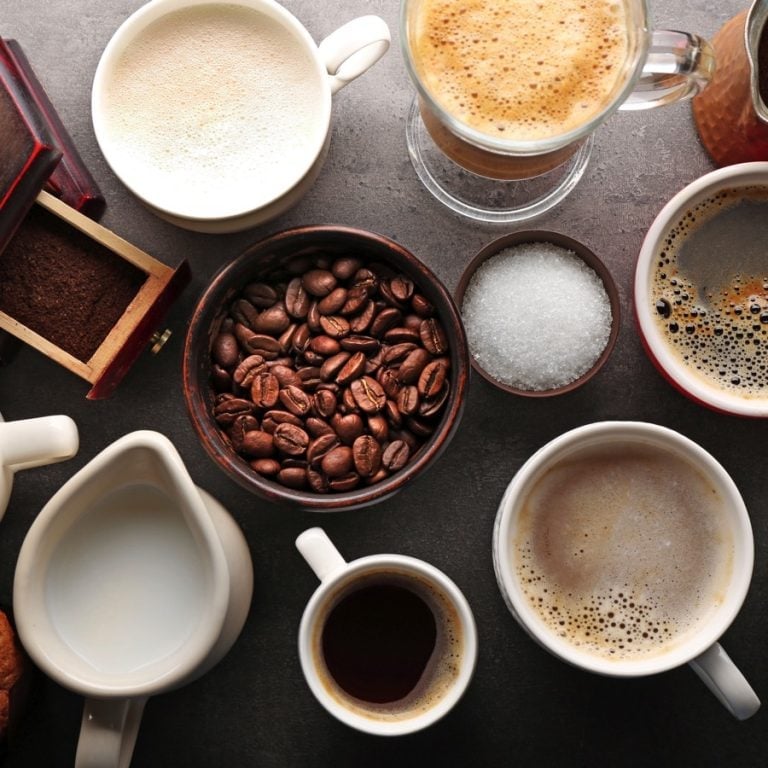
- Café é sempre uma boa ideia. Coffee is always a good idea.
- Está claro que em Portugal beber a famosa “bica", o café espresso, It is clear that in Portugal, drinking the famous "bica" (espresso),
- várias vezes ao dia é mais do que uma tradição, é quase uma obrigação. several times a day is more than a tradition, it is almost a must.
- É parte da nossa cultura ir ao café, seja para fazer uma pausa diária e recarregar as energias, It is part of our culture to go to the café, whether to take a daily break and recharge,
- seja para socializar com os colegas e amigos, ou até por a conversa em dia no “café do costume”. or to socialize with colleagues and friends, or even to catch up in "the usual café".
- Ir ao café do bairro onde se mora ou se trabalha, é um hábito nosso, Going to the neighbourhood café where you live or work is a habit of ours,
- e o português vive de tradições como esta. and the Portuguese live on traditions like this.
Premium Feature: Episode Quizzes
With a Premium Subscription, you can take episode quizzes to challenge your comprehension skills and track your progress!
a aguardentespirit, brandy altotall os amigosfriends apenasjust, only AtençãoAttention o bairroneighbourhood, district boagood fem cafécoffee, coffee shop chávenateacup, mug a cidadecity colegascolleagues, peers Com certezaCertainly, Of course, Absolutely, Sure ContrárioUnlike, contrary, opposite conversaconversation Copo de vidroglass costumehabit, custom a culturaculture, cultivation DependendoDepending diáriadaily sing.,fem. EnergiasEnergies EscaldadaScalded a esquinacorner estaThis sing.,fem.,near speaker ExistemThere are famosafamous (fem.) FracoWeak fácileasy grandelarge sing. GuiaGuide GéneroKind, type, genre o hábitohabit, custom a ideiaidea o leitemilk masbut metadehalf ModaFashion muitosmany, a lot of masc. máquinamachine normalmenteusually, normally ObrigaçãoObligation outroother, another (masc.) partepart a pausabreak, pause PingaDrop PoucoLittle, few, bit primeirasfirst ProvavelmenteProbably o pódust, powder a quantidadequantity quasealmost, about to recarregarto recharge a regiãoregion SejaBe it, Whether semprealways SimplesSimple TendênciasTrends TiposTypes TradicionalTraditional a tradiçãotradition UsadoUsed VariedadesVarieties vezestimes a vontadethe will, desire váriasseveral, many fem. águawater


Expressions
O abatanadoThe americano (espresso with more water) a bicathe espresso regional term, spout O galãoEspresso with sugar and lots of milk A meia de leitePortuguese beverage that is about half espresso and half steamed milk Até à próxima!Until next time!, See you next time! Café curtoEspresso with little coffee Café com cheirinhoEspresso with aguardente, a kind of Portuguese brandy Café pingadoEspresso with just a drop of milk CariocaWeaker coffee, made by passing water through the ground coffee already used to pull another espresso Café sem princípioEspresso made without using the first few drops that leave the machine GarotoA small cup with milk and a tiny amount of espresso Premium Feature: Smart Review
With a Premium Subscription, you can save these phrases to Smart Review, and use spaced repetition to commit them to long-term memory.



Comments
I really liked this shorty , it s really usefull, and extremely well done! I expected to find the expression “um café cheio” since that s the way I order my coffee around Lisboa and Cascais. Which one of the kinds of coffee mentioned in the shorty would correspond to “café cheio” then? 🙂
Hi, I am using these shorties for the first time. Great idea!
3 comments
1. I think the word ‘coffee’ right-hand column on page 1 in the transcription should be ‘café’.
2. The expression ‘não passa de um “café de esquina” is translated as “it’s just a corner café “, how would you say the opposite, ie “It is not just a corner café “?
3. ‘Atenção a chavena …’ on page 2 is not translated.
Best wishes
Declan
Thanks, Declan! We’ll check out 1. and 3. As for 2., to say “it’s not just a corner café”, you could say “Não é só um café de esquina” or “É mais do que um simples café de esquina” (It’s more than a simple corner café).
Hi Joseph
Many thanks. It was the use of ‘passa’ that puzzled me.
By the way, I have just become aware of these shorties. Did you announce them somewhere earlier?
Sure, you’re welcome! Also, the shorties have been available for just a few weeks and they were formally announced on Practice Portuguese’s blog recently: http://www.practiceportuguese.com/european-portuguese-podcast-shorties/ . Those who follow PP on social media might have also seen other mentions of them.
Very useful, thank you very much!!!
Thanks for Pedir Um Café Em Portugal. Nice explanation of all the different ways coffee is served, some of which I wasn’t aware of. The two most familiar of course are the galão which everybody seems to order for breakfast and the bica which is consumed round the clock but especially after meals. I knew you could order a Carioca if you wanted weaker coffee with less caffeine, but I was surprised to learn it is made by passing water through the grounds that have already served for another espresso. Makes it sound less appealing somehow! The article does forget to mention café descafeinado which in Portugal tastes amazingly like regular.
I think an important thing to mention in this would be that most of these are made with Steamed and/or frothed milk depending on where you buy it. So its more like a cappuccino than an espresso with some milk in it.
There is another shorty which talks about “café cheio”, I believe. How does that figure into all of this? And if uma bica is what’s used in Lisboa, what would the equivalent be called in places like Porto or Coimbra, for instance? Would I get a strange look if I used any of these names in different parts of the country, as in the fino/imperial difference with beer?
“Bica” is mainly used in Lisboa. Other than that, “bica” can be heard here and there all across the country, mostly to the south, I’d say. The usage of the term has actually been declining over the years, though! In Porto is possible to hear “cimbalino” when referring to an espresso coffee. When in doubt, just stick to “café”! That’s universal! 🙂